Keno | Keno Game Guide
Keno is a cards-category number game in which a round centres on choosing numbers and comparing that selection with the results drawn by the game. The exact selection limits and prize table can vary, so read the current in-game rules before deciding to take part.
In short, review the instructions, make a selection only after understanding the available options, and set a fixed stake and stop point. A Keno demo, if available in the lobby, can help you learn the interface without treating practice outcomes as a forecast.
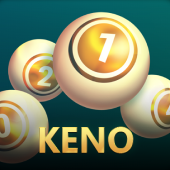
Keno
Open Keno on okebe
Explore the okebe lobby
Other cards games
How a Keno round unfolds
A typical Keno round moves from selection to draw and then to a result summary; the game’s own rules define the precise order and available controls. Confirm how many numbers you may select and how the prize table relates matches to outcomes before committing a stake.
- Read the rules and note the permitted number range and selection count.
- Choose a selection within the displayed limits, or use an available random option only if you understand it.
- Confirm the stake and round details shown on screen before submitting.
- Let the draw complete, then compare the displayed result with the published paytable.
- Review the outcome once and decide whether to stop, rather than increasing a stake to recover a loss.
If you want to compare the pace of a different format, Tower offers another title in the listed collection. Its round structure is distinct, so check its separate instructions instead of carrying assumptions over from Keno.
What progress means in Keno
Keno does not become predictable through a sequence of rounds; a useful sense of progress comes from learning the controls and following your own limits. Look for clear result summaries, accessible history, and understandable rules as practical feedback—not as signals of future outcomes.
- Recognize the selection and confirmation controls without rushing.
- Know where the paytable explains match counts and potential outcomes.
- Keep a session within the budget and time you set beforehand.
- Use a pause when the game feels tense or you notice a desire to chase losses.
A Keno demo can be useful for learning the screen, if the option is available, but it does not guarantee that the same pattern will occur during paid play. Celebrate careful decisions and stopping on time as the meaningful milestones. For another cards-category option, see Lucky Bear and review its own instructions before deciding whether it suits you.
Review game information
Understanding Keno return information
RTP, or return to player, is a long-run theoretical measure when the game publishes one; it is not a prediction of what an individual session will return. No verified Keno percentage is stated here, so consult the current game information or published rules rather than relying on a guessed figure.
When reading a Keno paytable, distinguish the return measure from hit frequency and from the prize attached to a specific match count. A higher theoretical return does not remove short-term variance, and a large prize tier may be much less frequent. Past draws do not change the chance of the next draw in a random game.
A practical checklist for RTP
- Find the source and version date for any RTP information.
- Check whether the figure applies to the selected mode or configuration.
- Read the paytable and understand how matches map to outcomes.
- Use RTP for comparison only; never treat it as a session guarantee.
For offers connected with play, read the terms on Okebe Bonus before opting in. Promotion conditions can affect eligibility and wagering requirements, but do not make a game outcome certain.
Choosing whether Keno fits your session
Keno may suit someone who prefers making a selection and then reviewing a draw, provided that the rules and uncertainty are comfortable to them. Take a moment to judge the format against your available time, budget, and preferred pace instead of choosing based on claims of guaranteed returns.
- Clarity: can you explain the selection steps and prize table before beginning?
- Budget: is the chosen stake affordable as entertainment, with no need to borrow or top up?
- Time: can you stop at a preselected time without disrupting other commitments?
- Comfort: do you feel relaxed enough to make a voluntary choice, or would skipping be better?
- Access: use a familiar okebe mobile experience and a trusted okebe link; do not share passwords or verification codes.
Players looking for a different theme can consider Dragon Fishing, while remembering that it is a different type of game with different rules. The okebe games collection is for entertainment, not a source of dependable income. Take breaks, protect account details, and stop if play no longer feels enjoyable.
If you use a Keno demo to become familiar with controls, keep that purpose narrow: understand how to navigate, then decide independently whether to play. Avoid claims that a pattern, timing system, or particular selection can ensure a win.
Visit the okebe game lobby
Keep Keno in its place
Choose a limit, take breaks, and stop when play stops being fun. Gambling should remain optional entertainment, never a way to solve financial pressure.